
 In this Canadiana room, we explore the effects of “The Relative Age Effect”. Our failure to understand this effect leads children in certain fields to be ‘left behind’. They are effectively prejudged as not good enough – and so less training goes into them, making them actually ‘not good enough’.
The Effect
In Canada we notice this effect most in Hockey. When we you look at professional hockey teams, you notice that players most often have birthdays in months near the beginning of the year. In fact, if you have a birthday in December, you are 20% less likely to play in the NHL as if your birthday is in January. Why can’t kids born later in the year play hockey as well as kids born earlier in the year?
What causes this?
This effect is caused by the way our system train and raises kids to be hockey players. Starting at a very young age, we have an age cut off for teams. If you are born after January of a certain year, you play in this class, if you are born after January of the previous year, you play in a different class. This means that your child, plays in a class with kids of up to a 12 month age difference.
If we picture kids starting to play hockey at 5 years old, kids playing in the same class can be between 5 and 6 years old. This means that some kids are more than 16% further developed. The older kids will be stronger, more coordinated, faster, and even smarter. This advantage is a relative advantage, but it becomes permanent because coaches will praise and play these stronger players more than the weaker younger ones. The coaches fail to recognize that with time and the same effort the younger ones will be just as good. This means that the older ones receive more coaching, more ice time, more praise and they see more success, which makes them more likely to excel. This advantage compounds year after year, despite the age gap (as a percent) decreasing each year and becoming irrelevant at a professional level where players of all ages compete against each other.
Basically, “The Relative Age Effect” is the failure of our systems to recognize relative age differences which compounds into an advantage of superior training and rewards, that eventually sifts older people in classes to the top.
Why should we care?
If this was just about Hockey, we could ignore this as simply a type of ‘market failure’. The NHL isn’t developing their human resources as well as they could. Okay, that is their problem. But the problem is that this effect carries on to many aspects of our society.
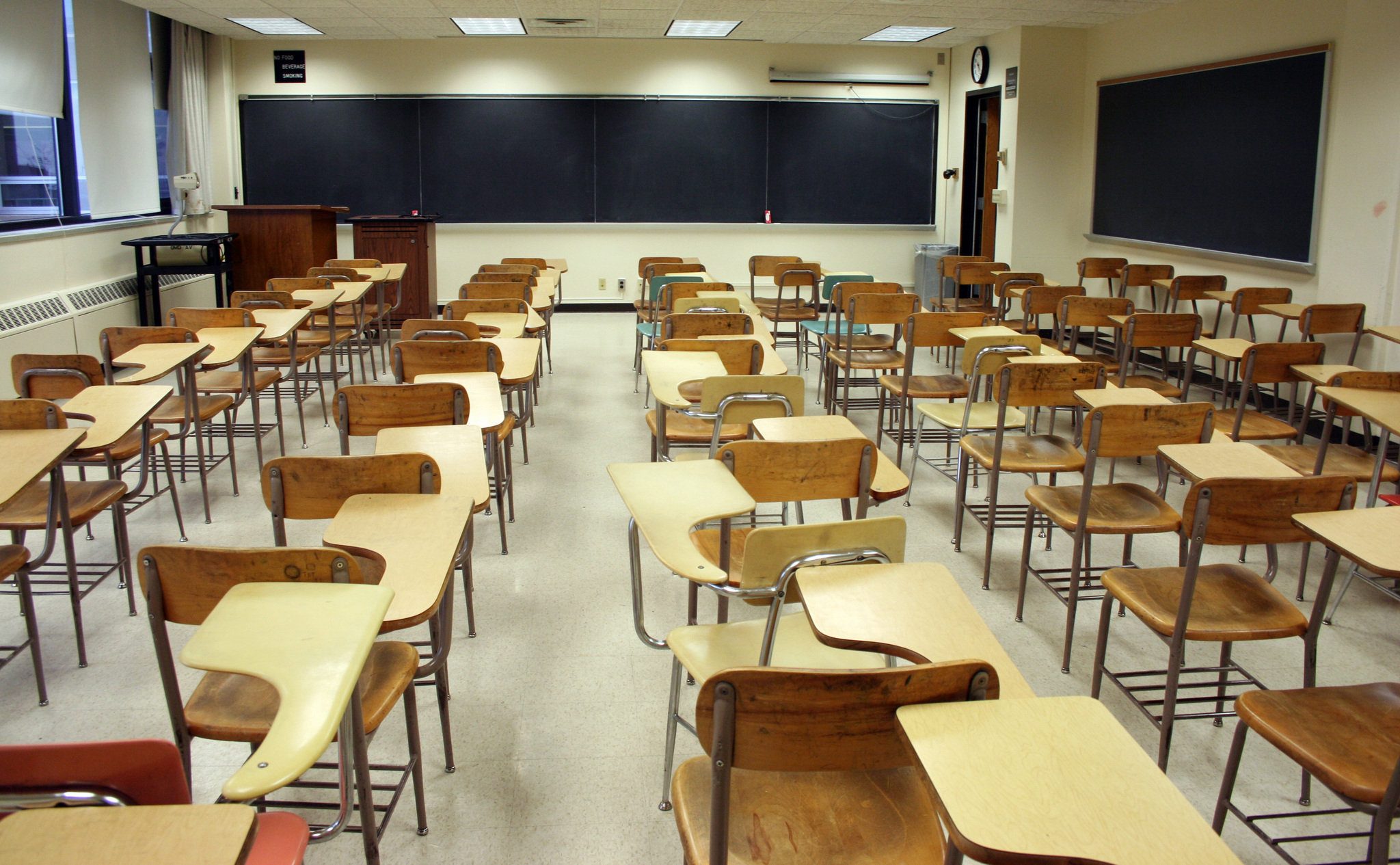 I went to school in a small town where I was with many of the same students from Kindergarten till I left for Germany after grade 11. I was in a unique position to see people from K-11. Interesting, most of the students that struggled in grade one, also struggled in eleven. Some students breezed relatively easy through school. They did their work and teachers always thought of them as smart and therefor they marked them generously. It wasn’t until learning of this effect that I realized my teachers had made the same mistake as hockey coaches. The kids that were youngest, were ‘branded’ as slow right from the start of their academic career. The students that were oldest were on average graded highest, right from grade one on. Teachers failed to recognize “The Relative Age Effect”!
Your chances of getting top marks in Grade 12 were significantly higher if you were born near the beginning of the year. Teachers mistook ‘older’ for smarter from the very beginning and they groomed the older students to be academics while they labelled the younger ones as ‘strugglers’.
Even in a system designed to be fair, such as our education system, we have introduced inequalities that follow students for their entire time in the system. The research shows – we have not given each child an equal chance at success.
Should we fix this?
We know the problem. We know we have a system that is imposing an artificial bias against certain kids. This is likely effecting them for their entire life. Knowing of this system failures – don’t we have a responsibility to fix them?
I argue of course we do. We cannot knowingly allow such failures to occur. But can do better?
Can we do anything about this?
There are many things that could be done. Let’s look at a few different options:
- We could go to a semester based school system. Let’s run school year round, on three different 4 month semesters. Your child starts in which ever semester puts him closest to his age group. That would automatically help by making each child compete against only children in a 4 month age range instead of a 12 month age range. Teachers would have an easier job since the kids would be at a more equal level. Students would do two semester then have one off. Sometimes they would do one semester, then have a semester off and do two. Etc. This would allow students to rotate the semesters off. This would allow better utilization of classrooms, better utilization of everything from hotel rooms, to amusement parks, to airlines, as we would buffer the current boom of summer holidays with a more steady stream.
- Another option would be to eliminate grades all together. The grading of students in my class only served to highlight age differences. It made some feel they were smarter since they got higher grades. It made others feel ‘slow’. But these grades didn’t accomplish any good in the long run. Of the ‘smarter’ students, many struggled in University since they had been given such ‘automatic pass’ in gradeschool. The grades didn’t actually help anything, nor were they an accurate reflection of potential ability or future success.
- What if teachers walked around the room with an iPad of individual education? Picture the IPad giving individual milestones for each student. Tim should know how to read this book by December 15. John should be able to count to 20 by Feb 15th. Etc. Students from a young age could work in smaller groups but as they get older, the education could become more individually focused.
These are just a few examples of ways that could fix our biased system. I’m not attached to any of them and there hundreds of other ways to achieve the same goal. All I know is that the current system needs fixing.